


Environmental, social and governance (ESG) priorities have entered a new phase. For several years, ESG was often treated as a reporting challenge, which revolved around policies, indicators, disclosures and annual statements. However, today that view can be considered too narrow. ESG is increasingly focused on how organisations manage risk, prove impact, build trust and design initiatives that are resilient enough for a changing Europe.
On one hand, sustainability expectations are still growing. Climate risk, social inclusion, digital responsibility, skills development and supply-chain accountability remain central concerns for businesses, public bodies and civil society. On the other hand, organisations are facing pressure to avoid unnecessary reporting burdens and to focus their efforts on what is genuinely material.
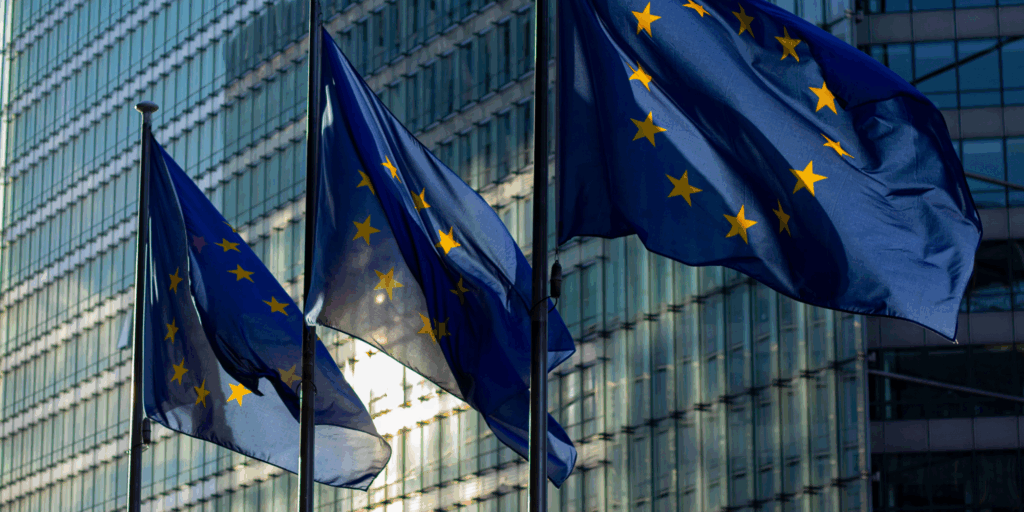
One of the clearest trends in Europe is the move towards more focused sustainability regulation. The EU’s Omnibus I simplification package has changed the landscape for corporate sustainability reporting and due diligence. It both postponed certain application dates, introduced substantive amendments to sustainability reporting and due diligence rules. In doing so, the EU is trying to balance two priorities: maintaining the direction of the green and social transition while reducing unnecessary administrative pressure. The Council of the EU described the simplification package as a way to reduce reporting burdens and limit the “trickle-down effect” of obligations on smaller companies.
The second major trend is the growing importance of data quality. As sustainability reporting matures, organisations are being pushed to move beyond broad commitments and towards clearer evidence. This includes better indicators, more consistent methodologies, stronger documentation and more transparent links between objectives, activities and outcomes. The draft simplified European Sustainability Reporting Standards are a good example of this shift. EFRAG was asked by the European Commission to provide technical advice on modifying the delegated act on the European Sustainability Reporting Standards, as part of the wider simplification process. The Commission’s 2026 consultation on revised sustainability reporting standards states that the draft revised European Sustainability Reporting Standards aim to cut administrative burden while preserving the quality of sustainability disclosures. The proposed changes would reduce mandatory datapoints by over 60%, reduce total datapoints by over 70%, and simplify the materiality assessment used to determine what must be reported.
Ultimately, organisations need data that helps them make decisions and demonstrate progress over time. That applies to large companies preparing formal disclosures, but also to SMEs, NGOs, research organisations, educational institutions and public-sector partners involved in European projects. The same trend can be seen internationally. IFRS S1 and IFRS S2 set out how companies prepare sustainability-related financial disclosures and climate-related disclosures, with a focus on governance, strategy, risk management, metrics and targets.
Increasing scrutiny of greenwashing
Stakeholders are increasingly alert to vague, exaggerated or poorly evidenced sustainability claims. This is especially relevant in sectors where organisations use terms such as “green”, “responsible”, “sustainable” or “impact-driven” without explaining what those words mean in practice. For example, ESMA, the European Securities and Markets Authority, frames sustainable finance around investor protection and trust. Its role includes helping investors make informed decisions and supporting a trusted environment for sustainable investing.
For organisations, this means that every ESG claim should be traceable to action. If an organisation says it supports sustainability, it should be able to show what it has changed, who benefits, how progress is measured and what evidence supports the claim. If it says it promotes inclusion, it should be able to point to accessible design, stakeholder involvement, participation data or concrete outputs. If it says it contributes to the green transition, it should show how its activities reduce environmental harm, improve knowledge, build skills or support behavioural change. Credible ESG communication often means being transparent about both progress and limitations.

Climate remains central to ESG, but the agenda is much wider. The OECD Guidelines for Multinational Enterprises on Responsible Business Conduct cover key areas including human rights, labour rights, environment, bribery, consumer interests, disclosure, science and technology, competition and taxation. The 2023 edition also includes updated recommendations on climate change, biodiversity, technology, business integrity and supply-chain due diligence.
ESG is also about the skills needed for the green and digital transitions, the inclusion of underrepresented groups, responsible use of technology, ethical governance, stakeholder engagement and the long-term sustainability of project results. This is especially relevant as global risks become more interconnected. The World Economic Forum’s Global Risks Report 2026 analyses risks across immediate, short-to-medium and long-term horizons, drawing on insights from more than 1,300 experts worldwide. This reinforces the need for organisations to treat ESG as part of resilience planning.
Environmental disclosure is also becoming more mainstream. CDP reports that over 22,100 companies disclosed environmental data through CDP in 2025, representing more than half of global market capitalisation. That level of participation shows that ESG is increasingly part of how organisations understand risk, access finance, work with partners and demonstrate accountability.
The future of ESG
For European organisations, the next phase of ESG will depend less on abstract commitments and more on implementation. This means designing initiatives with clear objectives, involving stakeholders early, choosing meaningful indicators, communicating results honestly and ensuring that project outcomes can continue to create value after funding ends.

This is where AcrossLimits’ work naturally connects with the ESG agenda. AcrossLimits has participated in more than 90 EU projects as a technical partner, creating digital platforms, contributing to research, leading dissemination efforts and providing expertise for sustainability and exploitation activities. Its project experience spans areas such as eLearning, education, health, robotics, energy, entrepreneurship, gender equality and social inclusion.
That experience is relevant because ESG is increasingly practical. It is about helping partners turn policy priorities into useful tools, training programmes, research outputs, stakeholder communities, digital solutions and long-term impact strategies. Whether the focus is green skills, inclusive education, responsible digitalisation, energy innovation or social inclusion, ESG provides a framework for asking better questions: Who benefits? What changes? How do we know? What happens after the project ends?
ESG can be integrated from the proposal stage, and this is something we take into consideration in our work. It falls within how objectives are defined, how partners collaborate, how users are engaged, how results are measured and how outcomes are sustained. In Europe, ESG is trending towards more focused regulation, better sustainability data, stronger scrutiny of green claims and a broader understanding of responsible innovation. The organisations that succeed will be those that can connect sustainability with evidence, skills, collaboration and measurable impact.
Working on a proposal or project and wondering whether your ESG approach is strong enough? AcrossLimits can support you in reviewing your ideas, strengthening your sustainability and impact strategy, and identifying practical ways to align your project with current European priorities. Contact us to discuss how we can work together.