

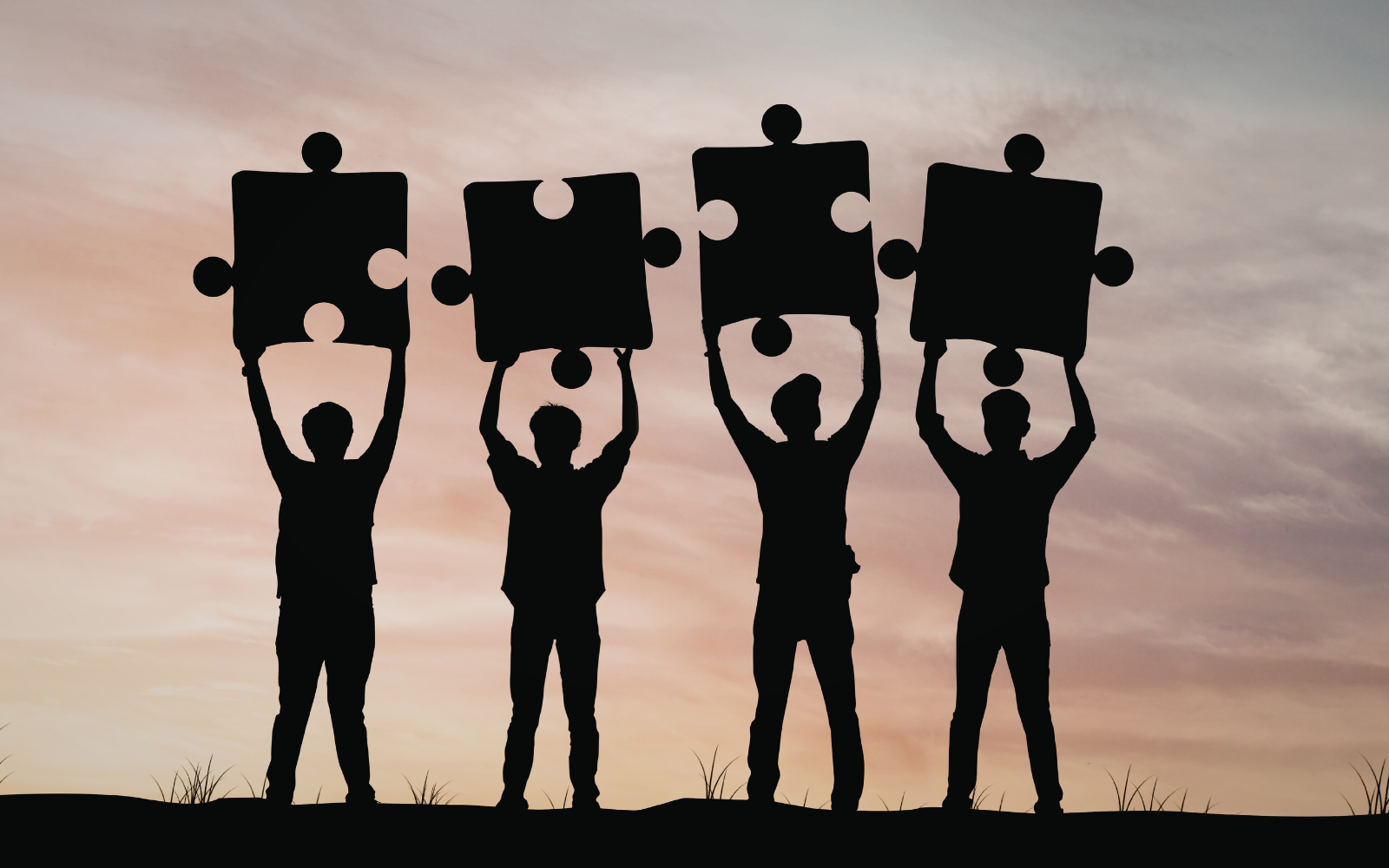
A positive aspect following the pandemic has been how highly effective it is in building ecosystems across borders, fostering economic resilience, boosting cultural networking and creating sustainable livelihoods. It has enabled people to pause, reflect and rebuild their careers based on connections, collaborations and cultural intelligence.
This shift in perspectives has helped people achieve common goals, share their purpose and deeper meaning in relation to their work across these global digital spaces. It has also helped redefine leadership mindsets and shift from one of ego-centric to eco-centric. Moreover, it has helped reframe the ‘winner takes all’ mindset as more people are aligned with collaboration and not competition.
Cross-border ecosystem building, supported by EU funding, creates measurable economic, innovation, and sustainability benefits by linking diverse regional strengths. Key data highlights 147 labeled Regional Innovation Valleys, a €1 billion investment in global sustainable projects, and projects (e.g., Ready2Scale) bridging digital and deep-tech sectors. (Source: Horizon Europe Work Programme 2025-10. European Innovation Ecosystems (EIE))
Building ecosystems, whether entrepreneurial, data-driven, or environmental, across borders and cultures is a complex endeavour that transcends technical challenges, involving deep-seated human, legal, and structural hurdles. Key challenges include fragmented regulatory environments, cultural differences in business communication and trust, and uneven access to resources. (Source: Beyond Fragmentation: Connecting Europe’s Startup Ecosystems for Growth and Innovation).
This has an even greater impact on emerging NGOs or start ups who navigate completing complex documents within timescales, getting to terms with the regulations and understanding the financial aspects. Added to this is learning how to navigate the platforms for EU funding as well as knowing the nuances of different grants such as AMIF or Horizons.
For newcomers, they may feel lost as seasoned players have set up small groups where they share funding opportunities, referrals, resources and best practice. Financial literacy and research skills are key to helping newcomers gain knowledge, enhance their capabilities and boost their visibility among other players.
Below are five key strategies to help build global success across cross-cultural ecosystems include the following:
-
Recognise and Reframe Cultural Biases
We all view the world from our lived experiences, expertise and beliefs. Raising awareness will help us understand our own unconscious biases in terms of how we judge people. This comes from a place of safety, as we are primal creatures, and defines the opinions we hold about people who are different to us. Developing open communication lines will boost empathy and compassion and enable us to understand cultural beliefs, behaviours and values from the perspective of the other person. It also enables us to understand norms and nuances of people from different backgrounds.
-
Cultivating Diversity and Inclusion Cross-Border Spaces
Creating psychological safety is paramount in building inclusive environments where people feel safe, seen, heard and valued. It helps build relationships as there are diverse roles from multi-generational backgrounds. Acknowledging people’s innovative ideas and expertise as opportunities rather than barriers which helps with problem solving. It ensures that decisions are fairly represented, made quicker and positive results are achieved sooner rather than later. Going beyond numbers, such as profit, and putting people first creates collective impact and longer lasting and sustainable growth.
-
Leadership Capacity Building
When leaders are open to letting go of old patterns and beliefs that no longer serve them, they create an eco-centric mindset instead of an ego-centric one. They learn to adapt, develop active listening skills and collaborate on a deeper level. They are not afraid to admit that they may not know the answer to a problem. Instead of thinking that they are weak leaders, they give others autonomy to contribute and make a difference.
This boosts the respect they receive as they are seen as guides, mentors and change makers. They know that giving people permission to undertake their tasks without retribution reduces errors and wasted time when researching information for projects. By eradicating the blame game helps build strong, engaged and cohesive groups across borders.
Leaders learn to embrace change by identifying and overcoming their fears of failure, judgement or rejection by others. Their resistance to clinging to old ways of working and thinking helps them move out of their comfort zone. They view mistakes made by themselves and others as an opportunity to learn together and see opportunities as potential for growth.
-
Soft Skills Development
Enhancing one’s own emotional intelligence and resilience helps reduce the stress of having to manage large and complex information. As people learn to delegate work, take calculated risks and set healthy boundaries they reduce burnout and build a balanced lifestyle.
This also helps reduce decision making fatigue where one is hesitant to make a decision and fears the worst outcome. Sharing success across borders including failures, risks that paid off and best practices where feasible, builds on fostering trust and working smarter.
Critical thinking also plays an important role as one is able to tap into intercultural competences that they may not have experienced before. Building stronger and trustworthy relationships will encourage peers to refer others for grants as they learn more about their expertise and skillset. Emotional resilience is another powerful skill to have as it can help people learn to manage stress in a rapidly changing environment and handle difficult conversations and
-
Cross-Cultural Personal Development and Training
Investing in personal development is a powerful way to develop one’s digital skills to enhance their career. It can also reduce technology fatigue as there are so many different platforms which can feel overwhelming at the best of times! Having support across borders and sharing resources can help more people become more effective instead of having to do this in isolation. Creating partnerships across different sectors and cultures can help with writing complex and long grant proposals in a competitive space.
In conclusion, building stronger entrepreneurial ecosystems, nurturing relationships and investing in personal development can help drive innovation, leverage cross-cultural experiences and boost financial gain for all parties.
AcrossLimits – An Ecosystem Builder
AcrossLimits has been working in the EU funding landscape for almost 25 years and participants in 90+ EU funded projects, which has helped build strong cultural bridges and develop collaborations with NGOs, SMEs and corporates.
The company has embraced the ever changing world of technology and brings deep technical and partnership experiences to everything it does. This includes building stronger connections and developing deeper relationships between multi-generational and multi-cultural groups of people.
AcrossLimits has recently launched Partner-Hub.eu, a practical and intuitive platform which is designed to make it easier for experts, innovators, changemakers, startups, and other organisations to connect, collaborate and turn great ideas into projects.
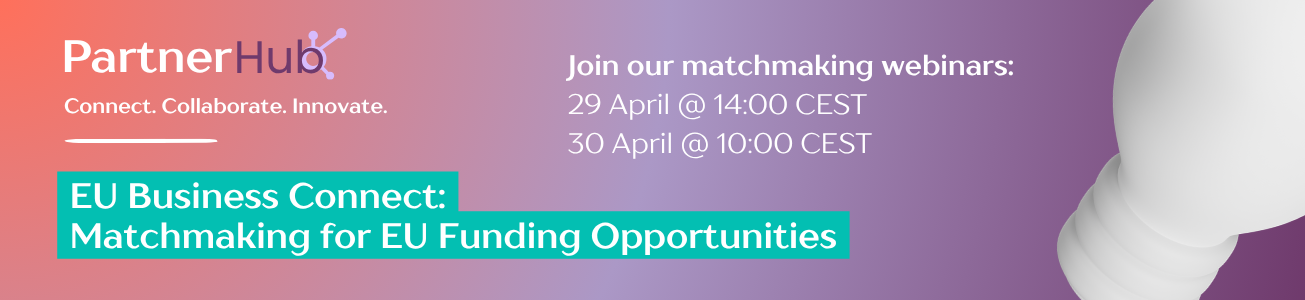
Are you looking to unlock EU funding opportunities? It starts with the right partners.
Join the EU Business Connect matchmaking webinar, taking place on 29 and 30 April 2026, and take your first step towards building powerful, cross-border collaborations.
Hosted on Partner-Hub.eu platform, this session will show you how to:
- Connect with the right partners for your next EU project
- Navigate upcoming funding opportunities (including Horizon Europe and beyond)
- Turn ideas into funded, impactful collaborations
With smart matchmaking tools and targeted networking, you’re not just attending a webinar – you’re entering a gateway to EU innovation and funding ecosystems.
Meet the author, Nazlee Mayhew, Founder of Global Mindset Solutions. She is also a certified Life Coach with the Academy of Modern Psychology, Scotland and a certified Business and Mindset Coach, Money Mindset Coach, NLP Practitioner and Self Love Coach with She Leads Academy, United Kingdom.
She partners with emerging coaches, consultants and creatives and helps them build their online service based business in 90 days without feeling overwhelmed, stuck or doubting their capabilities. She also works with mid-senior level leaders and helps them define their leadership style, develop a success mindset and leverage the power of their strengths and soft skills to become effective leaders and build high performing and inclusive teams.
If you’re interested to learn more about our business and leadership coaching programs, book a free 30 minute coaching clarity call here: www.calendly.com/nazmayhew or email her at nazmayhew1@gmail.com to learn more and see if we’re a great fit to work together.